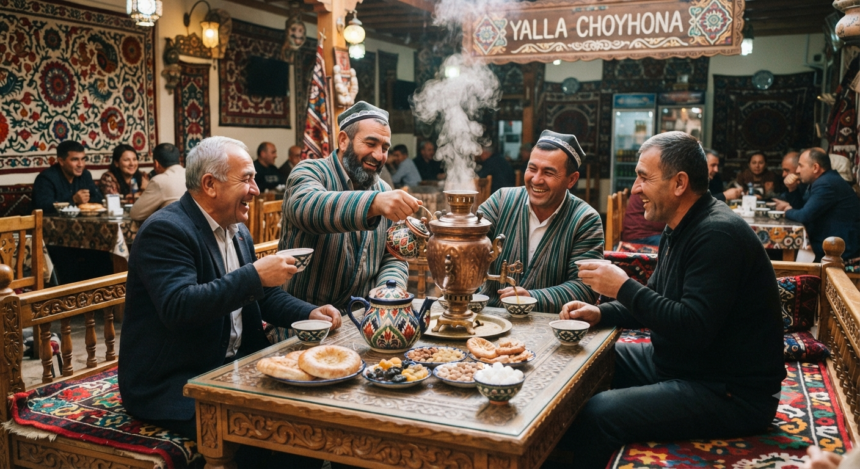
Yalla choy is a phrase that attracts curiosity because it combines two words that appear simple but carry cultural and linguistic depth. While “Yalla” is widely recognized across Arabic-speaking communities as an expression meaning “let’s go,” “come on,” or “hurry up,” the term “choy” has different interpretations depending on language and regional context. In many Asian languages, particularly Central Asian and Turkic cultures, choy (or chai) refers to tea, a drink deeply connected with hospitality, conversation, and social traditions.
The combination of Yalla choy can therefore represent a blend of movement, energy, gathering, and tea culture. It may appear in different contexts, including food discussions, cultural references, online trends, and brand names. Understanding the background behind Yalla choy requires looking beyond a simple translation and exploring the linguistic and cultural connections behind the phrase.
This guide explains the possible meanings of Yalla choy, its cultural roots, how tea traditions influence its interpretation, and why people are searching for this unusual phrase.
What Does Yalla Choy Mean?
The meaning of Yalla choy depends heavily on the context where the phrase appears.
The word “Yalla” comes from Arabic and is commonly used throughout the Middle East. It is an everyday expression used by millions of people. You might hear someone say it when encouraging friends to leave, start an activity, or move faster.
Common meanings of Yalla include:
- Let’s go
- Come on
- Move quickly
- Alright, let’s begin
- Hurry up
The second part, “choy,” is closely related to words for tea in several cultures. Variations include:
- Chai in South Asia
- Choy in Central Asian languages
- Çay in Turkish
- Tea-related terms across Silk Road regions
When combined, Yalla choy creates an expression that can suggest something like “let’s have tea,” “come on for tea,” or an energetic invitation connected with tea culture.
However, the phrase does not have one universally accepted dictionary definition. Its interpretation changes based on geography, language, and usage.
The Cultural Roots Behind Yalla Choy
Yalla: A Word Connected With Energy and Movement
The popularity of Yalla comes from its simplicity and emotional expression. Unlike formal words, it is conversational and carries personality.
People use Yalla in daily conversations to:
- Encourage action
- Show excitement
- Express impatience
- Invite participation
- Create a friendly atmosphere
For example:
- “Yalla, let’s eat.”
- “Yalla, we are late.”
- “Yalla, come with us.”
The word has crossed borders through migration, music, movies, tourism, and social media.
Today, even people who do not speak Arabic often recognize Yalla because of its frequent appearance in popular culture.
Choy and the Importance of Tea Traditions
Tea is much more than a beverage in many cultures. It represents hospitality, friendship, respect, and community connection.
Across regions such as Central Asia, China, Turkey, Iran, and South Asia, tea ceremonies and everyday tea drinking play important social roles.
Traditional tea culture often includes:
- Welcoming guests with tea
- Sharing conversations over multiple cups
- Celebrating important events
- Building relationships
The word choy reflects this long history of tea exchange along ancient trade routes, especially the Silk Road.
Yalla Choy and the Connection With Tea Culture
When people encounter Yalla choy, many associate it with a lively tea experience — something casual, social, and welcoming.
The phrase naturally connects with ideas such as:
- Freshly prepared tea
- Friendly gatherings
- Traditional hospitality
- Relaxed conversations
- Cultural exchange
Tea has always been a bridge between communities. From Moroccan mint tea gatherings to Turkish çay culture and South Asian chai traditions, the act of sharing tea creates human connection.
The concept behind Yalla choy fits into this broader global appreciation of tea rituals.
How Tea Became a Global Cultural Symbol
Tea has traveled across continents for centuries. Its journey shaped economies, traditions, and social habits worldwide.
Important tea traditions include:
Central Asian Tea Culture
Central Asian societies have historically valued tea as a symbol of welcome. Guests are often offered tea immediately upon arrival.
Tea gatherings can involve:
- Family discussions
- Community meetings
- Celebrations
- Storytelling
The concept of choy remains strongly connected with these traditions.
Middle Eastern Tea Traditions
Tea plays a major role throughout Middle Eastern countries.
Popular varieties include:
- Black tea with sugar
- Mint tea
- Herbal infusions
- Spiced tea blends
Hospitality often begins with offering guests a drink.
The energy of Yalla combined with the warmth of tea culture creates a phrase that feels inviting and social.
Why Is Yalla Choy Becoming Popular?
The growing interest in Yalla choy may come from several modern trends.
1. Increased Interest in Cultural Expressions
People today explore words, foods, and traditions from different countries through:
- Social media
- Travel content
- Food blogs
- Cultural videos
Unique phrases often become popular because they represent a lifestyle or feeling.
2. Growth of Global Tea Culture
Tea consumption has expanded beyond traditional markets. Consumers increasingly search for:
- Specialty teas
- Cultural tea experiences
- Authentic preparation methods
- Unique tea brands
Terms connected with tea culture naturally gain attention.
3. Branding and Creative Naming
The phrase Yalla choy has characteristics that make it memorable:
- Short
- Easy to pronounce
- Culturally rich
- Emotionally energetic
Businesses, creators, and communities often choose names that communicate personality rather than only describing a product.
Possible Uses of Yalla Choy in Modern Contexts
Depending on the situation, Yalla choy may be used creatively in several ways.
As a Tea Brand Concept
A tea company could use the phrase to communicate:
- Adventure
- Social connection
- Cultural discovery
- Premium tea experiences
A brand using this name might focus on traditional tea blends combined with modern presentation.
As a Social Gathering Theme
The idea behind Yalla choy works well for events centered around:
- Tea parties
- Cultural festivals
- Community gatherings
- Food experiences
The phrase suggests action and togetherness.
As a Lifestyle Expression
Similar to phrases connected with coffee culture, Yalla choy can represent a moment:
“Come on, let’s sit together and enjoy tea.”
It combines movement with relaxation — an interesting contrast.
Health Benefits Associated With Tea
If Yalla choy refers to tea consumption, the potential benefits depend on the specific tea type.
Different teas contain different compounds, but many traditional teas provide:
Antioxidant Properties
Tea leaves contain natural compounds such as polyphenols and flavonoids.
These compounds are studied for their role in supporting overall health.
Mental Alertness
Many teas contain caffeine, which may help improve:
- Focus
- Energy levels
- Mental alertness
Green tea also contains L-theanine, an amino acid associated with calm concentration.
Hydration Support
Tea contributes to daily fluid intake and can be enjoyed as part of a balanced lifestyle.
Digestive Comfort
Certain herbal teas, including mint and ginger varieties, are traditionally consumed after meals for digestive support.
Popular Types of Tea That Fit the Yalla Choy Concept
A tea experience inspired by Yalla choy could include many varieties.
Black Tea
A classic choice worldwide.
Characteristics:
- Strong flavor
- Dark color
- Often served with milk or sugar
Green Tea
Known for its lighter taste.
Common varieties include:
- Sencha
- Gunpowder green tea
- Jasmine green tea
Herbal Tea
Technically not always made from tea leaves, herbal infusions offer diverse flavors.
Examples:
- Mint tea
- Ginger tea
- Chamomile tea
Spiced Tea
Popular across South Asia and the Middle East.
Common ingredients:
- Cinnamon
- Cardamom
- Cloves
- Ginger
How to Prepare a Traditional Tea Experience Inspired by Yalla Choy
Creating a meaningful tea moment is about more than boiling water.
Follow these steps:
- Choose quality tea leaves rather than low-quality blends.
- Use fresh water for better flavor.
- Control brewing time to avoid bitterness.
- Serve with hospitality by creating a comfortable environment.
- Share the experience with friends or family.
The social element is what transforms ordinary tea into a cultural tradition.
Yalla Choy in Digital Culture and Search Trends
Modern language evolves quickly online. Unique phrases often gain popularity because users encounter them through:
- Short videos
- Travel content
- Food channels
- Brand storytelling
- Online communities
A phrase like Yalla choy stands out because it feels international. It combines an Arabic expression with a tea-related cultural reference, creating curiosity among global audiences.
Common Misunderstandings About Yalla Choy
Because the phrase is uncommon, people sometimes assume it has one fixed meaning.
Some misconceptions include:
- It is not necessarily a specific type of tea.
- It does not have one universal translation.
- Its meaning depends on cultural and personal context.
- Different communities may interpret it differently.
Understanding the background gives a clearer picture.
Frequently Asked Questions About Yalla Choy
What does Yalla Choy mean?
Yalla choy combines the Arabic expression “Yalla,” meaning “let’s go” or “come on,” with “choy,” a term connected with tea in several cultures. The phrase can suggest an invitation to enjoy tea or a lively tea-related experience.
Is Yalla Choy a type of tea?
Not necessarily. Yalla choy is not widely recognized as a specific traditional tea variety. It is better understood as a phrase that connects ideas of tea culture, hospitality, and movement.
Where does the word Yalla come from?
The word Yalla originates from Arabic and is commonly used across Middle Eastern regions. It expresses encouragement, urgency, or an invitation to begin something.
What does choy mean?
Choy is a word associated with tea in several Central Asian and Turkic languages. Similar words include chai, çay, and other regional variations.
Why is tea important in different cultures?
Tea represents much more than a drink. In many societies, tea symbolizes hospitality, friendship, respect, and social connection. Tea traditions have existed for centuries across Asia, the Middle East, and beyond.
Final Thoughts: The Meaning Behind Yalla Choy
Yalla choy represents more than two combined words. It reflects the meeting point between energy and tradition, movement and relaxation, invitation and connection.
Whether viewed as a cultural phrase, a creative brand idea, or a reference to tea traditions, its appeal comes from the emotions it creates: gathering together, sharing stories, and enjoying meaningful moments.
If you encounter Yalla choy in a cultural, business, or food context, look beyond the literal translation. Explore the history behind the words, the traditions behind the tea, and the human connections that make these expressions memorable.